Skip to content

90-Year Pest Legacy

The Best Pest Control in Florida

Images of highlighter green colored ant, spider, and tick on top of colored green leaves and salmon and orange colored circles.

Brown Recluse Spiders

Images of colored green leaves and salmon and orange colored circles.

Brown Recluse Identification  

Brown recluse spiders are medium-sized, usually about ¼ to ¾ inches in body length. Their color ranges from light to dark brown, sometimes with a subtle yellowish tint. One of their most distinctive features is a dark, violin-shaped marking on the top of their cephalothorax (head and thorax area), with the neck of the violin pointing toward the spider’s abdomen. This marking is sometimes faint but is a key identifier.  

Brown recluse spiders have six eyes arranged in pairs (dyads) rather than the usual eight eyes found in most spiders. Their legs are long and slender, covered with fine hairs but without spines. Unlike many other species, brown recluse spiders produce irregular small webs mainly used as retreats or to protect their brown recluse egg sacs.  

Brown recluse spiders prefer quiet, undistributed areas like closets, basements, garages, and woodpiles. Identifying them correctly helps prevent unnecessary panic and guides proper control measures to avoid bites and infestations.  

Brown Recluse spider climbing on rocks outside

Getting Rid of Brown Recluse Spiders  

Brown recluse spiders are notoriously reclusive, often hiding in dark, undisturbed areas like closets, storage boxes, attics, and behind furniture. Because they’re active at night and tend to avoid human interaction, infestations can go unnoticed until bites occur or spiders are accidentally discovered. While small brown recluse spider sightings might seem harmless at first, these spiders can multiply quickly, especially if ideal nesting conditions are present.  

To reduce the chance of a brown recluse infestation, start by decluttering storage areas, sealing cracks and crevices along baseboards and door frames, and ensuring window screens are intact. Vacuum regularly in corners, behind furniture, and under beds. Sticky traps labeled for spider control can help monitor activity, especially near known brown recluse hiding spots.  

However, DIY efforts rarely address the full scope of a brown recluse infestation. These spiders are skilled at staying out of sight, and even a single mature female can lay dozens of eggs at once. For effective and long-term relief, it’s best to bring in professionals.  

Greenhouse Termite and Pest Control provides comprehensive brown recluse spider treatment designed to eliminate current infestations and prevent new ones. Our service includes targeted treatments in key hiding spots and exterior applications that keep these dangerous spiders from entering your home in the first place. We also help homeowners identify conducive conditions and offer practical advice for maintaining a spider-free environment year-round.  

A salmon colored circle with a dark green leaf and a highlighter green drawing of an ant.
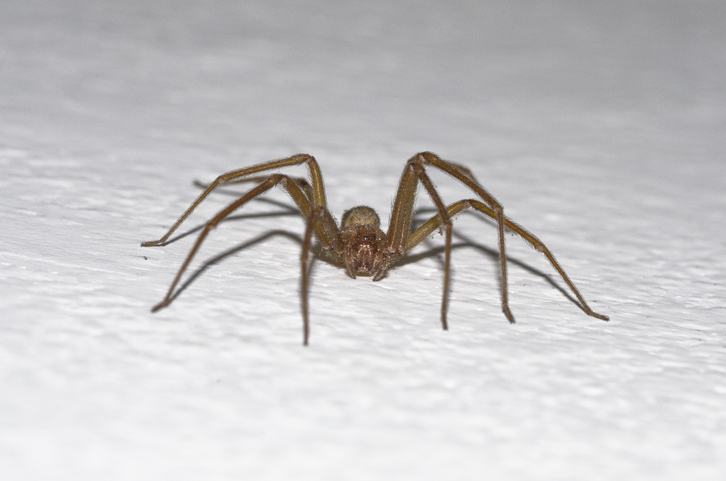
Brown recluse spider with long legs resting on a white surface

Where are Brown Recluse Spiders Found and What Do They Eat? 

Brown recluse spiders are primarily found in the central and southern United States, including parts of Florida, but they tend to avoid extremely cold or wet climates. They prefer warm, dry, and sheltered environments such as basements, closets, attics, garages, and inside storages boxes. Outdoors, brown recluse spiders often hide under rocks, woodpiles, and debris where they can remain undisturbed.  

These spiders are known for their reclusive nature and rarely make large, visible webs. Instead, they build small, irregular silk retreats in hidden corners where they rest and lay their brown recluse egg sacs. Brown recluse spiders are nocturnal hunters and emerge at night to seek out prey. 

 As predators, brown recluse spiders feed on small insects and other spiders. Their diet typically includes common house spiders, ants, cockroaches, and other small arthropods. They use their venom to immobilize prey, which they consume. This natural diet helps control populations of other household pests, but when brown recluse spiders infest homes, their presence can pose a health risk to people and pets due to their venomous bite.  

A dark green large drawing of a leaf.

Brown Recluse Bite  

A brown recluse bite can be serious, but not all bites lead to severe symptoms. In many cases, the bite starts as a small red bump and may develop into a blister or open sore. Early brown recluse bites are often painless, which can delay treatment. As it progresses, the affected area may turn purple or black, showing signs of tissue damage. Brown recluse bite stages vary depending on how a person’s body reacts to the venom. 

Brown recluse spider symptoms may include swelling, itching, and fever. In rare cases, bites can become severe and lead to more serious health issues, especially in children or those with weakened immune systems. If you notice what looks like a brown recluse bite or a wound that’s not healing, seek medical attention. Brown recluse spiders are not aggressive but will bite if pressed against the skin.  

Close-up brown recluse spider showing its eyes and long, slender legs
A large orange drawing of a circle with a green drawing of a leaf on top of it.

Say goodbye to pests and hello to comfort

Call Greenhouse to transform your home

A large dark green leaf with a highlighter green spider on top.

Frequently Asked Questions

Their venom can destroy skin tissue, sometimes causing deep ulcers or necrosis; while serious complications are rare, medical care is recommended for any suspected bite.  

Clean the bite with soap and water, apply a cold compress to reduce swelling, elevate the area, and monitor it closely – seek medical attention if symptoms worsen or a sore develops.  

Yes, seeing one often means there could be more hiding nearby, as they tend to stay in undisturbed areas and can reproduce indoors.  

Brown recluse spiders are most active from March through October, especially during the warmer summer months.  

Yes, brown recluse spiders are venomous, so finding one suggests you should take caution and consider professional pest control to inspect and treat your home.  

A brown recluse bite can cause pain, redness, and sometimes a necrotic (skin-damaging) sore that may take weeks to heal; severe reactions are rare but possible. 

A direct spray of a spider-specific insecticide or general crawling insect killer will kill a brown recluse instantly; physical methods like vacuuming also work.  

Follow Us