What Are Deer Ticks?
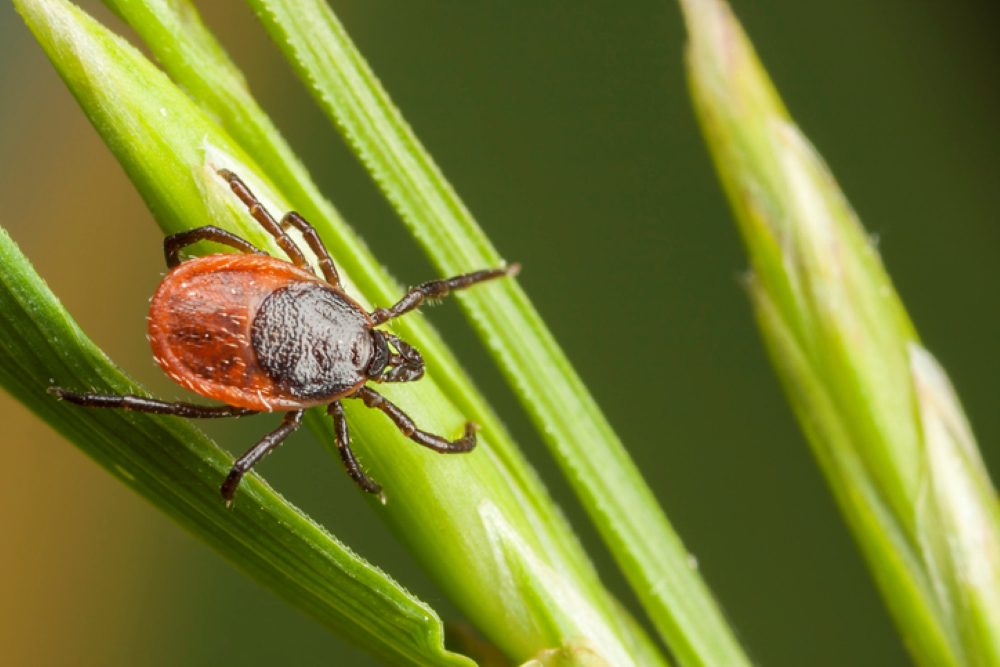
Deer ticks, also known as blacklegged ticks, are small, hard-bodied arachnids that pose significant health risks to humans and animals. These tiny creatures have 8 legs, no wings, and no antennae, distinguishing them from insects. What makes deer ticks particularly dangerous is their ability to transmit diseases like Lyme disease and other serious infections. Understanding what a deer tick looks like is crucial for protection – they’re incredibly small, with nymphs being especially difficult to spot.
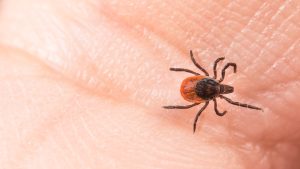
The deer tick life cycle includes several stages: larvae, nymph, and adult, with each stage requiring a blood meal to progress. Female deer ticks are slightly larger than male deer ticks and appear reddish-brown, while males are darker. Many people wonder “What is a deer tick?” and “How big is a deer tick?” Adults are roughly the size of a sesame seed, while nymph deer ticks are even tinier, about the size of a poppy seed. This small deer tick size makes them particularly dangerous since they often go unnoticed.
Diseases Carried by Deer Ticks
The question “Are deer ticks dangerous?” is answered by understanding the serious deer tick diseases they carry. Lyme disease is the most well-known deer tick disease, with people often searching “do deer ticks carry Lyme disease” and “deer tick Lyme disease” to understand their risk. The answer is yes – blacklegged ticks are the primary vector for Lyme disease transmission. However, deer tick diseases extend beyond Lyme to include anaplasmosis and babesiosis. These arachnids transmit bacteria, parasites, and viruses into the bloodstream when they feed, making an engorged deer tick particularly dangerous since longer feeding times increase infection risk. An engorged deer tick on dogs or humans indicates the tick has been attached for hours or days, significantly raising disease transmission.
Understanding what deer ticks look like at various stages – from baby deer tick (larvae) to nymph deer tick to adult – helps in identifying and removing them before diseases can be transmitted. Ticks on deer and other wildlife serve as the natural reservoir for these pathogens, which then spread to humans through tick bites.
Prevention and Control
Preventing deer tick encounters requires a multi-faceted approach. Getting a lawn spray from Greenhouse Termite and Pest Control is an effective first line of defense, as professional treatments can significantly reduce tick populations in your yard. For pet owners, making sure your pets are regularly seeing the vet and getting tick medicine is crucial, especially since deer ticks on dogs are common and can lead to serious illness. Using deer tick repellent when venturing into wooded or grassy areas provides personal protection.
When it comes to deer tick removal, having the right tools and techniques is essential. You’ll need tweezers to grab the tick close to the skin – this is critical for removing a fully embedded tick. Make sure to pull the tick straight out of the skin with steady, even pressure. Avoid turning, twisting, and squeezing the tick, as this can cause the deer tick head to break off or inject more pathogens into the wound. If the tick breaks, make sure to remove all parts of the tick with tweezers, checking carefully for any embedded deer tick on human skin. After removal, apply alcohol or soap and water to the bite site to ensure there will not be an infection. Finally, dispose of the tick properly by flushing it down the toilet or soaking it in alcohol.
Knowing what kills deer ticks, having professional pest control, and proper removal techniques can protect your family from these dangerous parasites.